
Here’s a secret the beauty industry doesn’t want you to know: you don’t always need implants or synthetic fillers to achieve a more youthful, fuller look.
With fat transfer procedures gaining popularity, your body’s own fat becomes the ultimate body contouring / sculpting tool.
Think of it as a glow up with a built-in recycling system. If you’ve ever wished your unwanted fat could be put to better use, this is your moment.
From enhancing cheeks and lips to plumping up the buttocks and breasts, fat transfer is the all natural way to shape and rejuvenate. And yes, we’re going to talk about what everyone’s wondering – fat transfer prices – because the cost matters, and so does knowing what you’re actually paying for.
Understanding the Fat Transfer Process
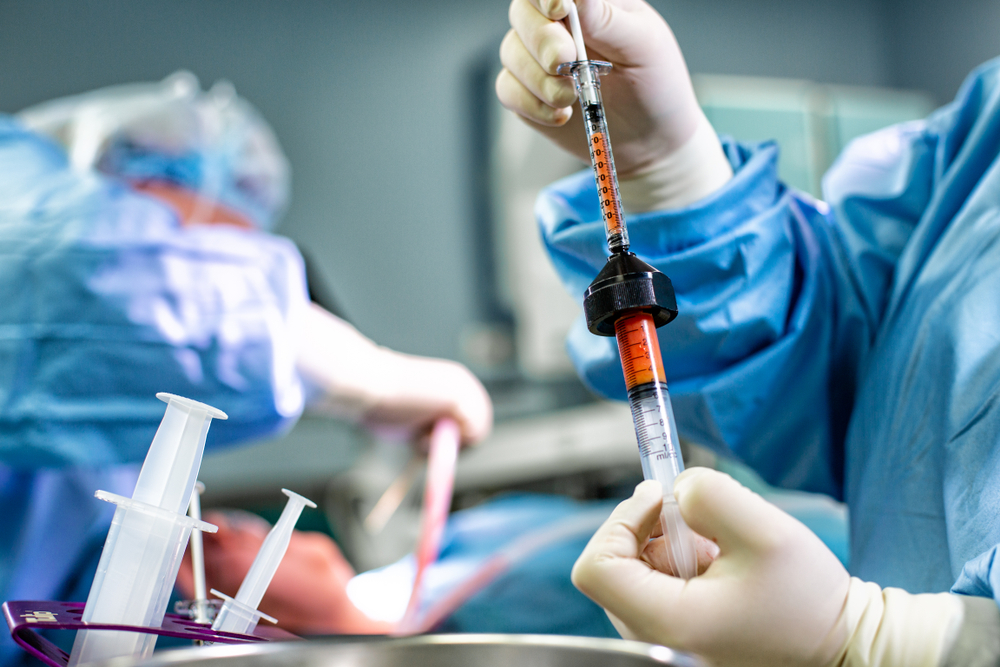
Fat transfer, also called fat grafting, is a two step procedure. First, unwanted fat is removed from areas like the abdomen, flanks, or thighs via liposuction.
That fat is then purified and reinjected into areas where volume is needed – most commonly the face, hands, breasts, or buttocks.
Unlike fillers that dissolve over time, fat transfer offers long lasting, natural results. Plus, it eliminates the risk of allergic reaction since it’s your own tissue being reused. Double win.
Fat Transfer Prices: What Should You Expect?
Let’s break down the truth about fat transfer prices. Costs can range anywhere from $3,500 to $11,000 depending on what area you’re treating and how much fat is being transferred.
Factors that influence the price include:
- The number of areas requiring liposuction (harvesting fat isn’t one size fits all)
- The complexity of the transfer (small volume facial grafts vs. full breast or buttock enhancement)
- Surgeon’s expertise and credentials
- Facility and anesthesia fees
Although it’s an investment, many patients appreciate the 2 in 1 value: you’re contouring one area while enhancing another – without the need for synthetic implants or repeated injectable visits.
How to Prepare for Your Fat Transfer Procedure
A successful fat transfer starts with solid preparation. Before your procedure, your surgeon will walk you through a tailored pre op plan, but here are a few standard guidelines:
- No smoking for at least a month before and after surgery (it affects fat survival)
- Avoid blood thinners like aspirin or supplements that can increase bruising
- Stay hydrated and maintain a healthy, stable weight
- Discuss medications and allergies with your provider
It’s also a good idea to meal prep, arrange time off work, and create a cozy recovery space ahead of time.
Fat Transfer Prices and Recovery Time: Worth Every Penny
Let’s not sugarcoat it, this isn’t a lunch break procedure. Recovery takes time, but it’s relatively smooth compared to more invasive surgeries.
Expect:
- Swelling and bruising for the first week or two
- Wearing compression garments if liposuction was extensive
- Return to light activities in 7 to 10 days
- Full results in about 3 to 6 months, once the transferred fat has settled
Since your body reabsorbs a portion of the transferred fat, your surgeon may slightly overfill the treated area to account for this. The remaining fat that “takes” is permanent, giving you results that last for years.
Transform More Than Just Your Shape With Capital Surgical
Ready to trim where you don’t want fat and enhance where you do? Fat transfer offers subtle, beautiful, and lasting results – all while using what you already have.
Call Capital Surgical Center at 202-861-2252 to schedule your consultation and explore the possibilities of your own body’s potential. When you call, ask about service packages to get the best available pricing.
You’ll be working with elite board-certified surgeons who have experience and advanced expertise.